Best Travel Drones for Backpackers and Adventurers
You want aerial shots of mountain lakes and coastal cliffs, but you're carrying everything on your back. Here are the drones worth the weight.
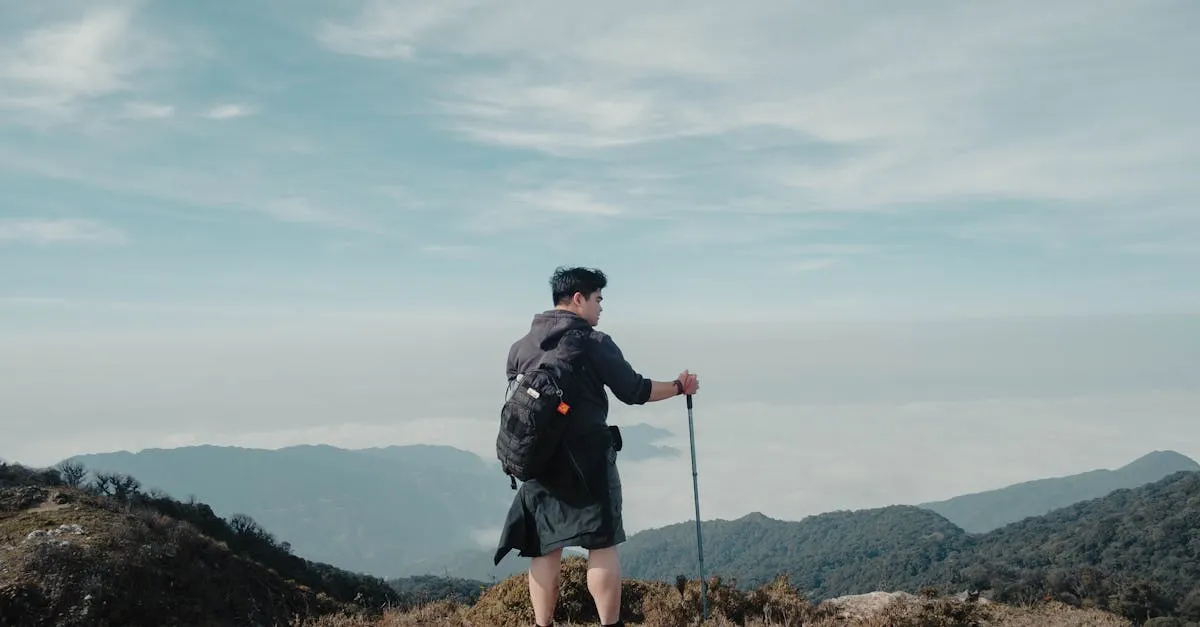
For backpackers seeking aerial photography, the DJI Mini 4 Pro offers the best balance of weight (249g), image quality, and obstacle avoidance. The budget-friendly Mini 3 (see our drones-under-$500 roundup) shares the same camera, while the Autel EVO Nano+ appeals to those who want airspace decisions left entirely to the pilot. Always carry batteries onboard and research local drone laws before traveling.
You’ve seen those aerial shots of mountain lakes, coastal cliffs, and winding trails through ancient forests. You want those shots. But you’re carrying everything on your back, and every ounce matters.
What Makes a Good Travel Drone
Weight. In many countries, drones under 250 grams get favorable treatment. In the US, sub-250g means no recreational registration. Every gram counts when it’s on your back.
Folded size. Your drone spends most of its time in your pack, not in the air. Can it fit in a jacket pocket, or does it need its own compartment?
Battery life. Hiking to an incredible viewpoint and having eight minutes of flight time is heartbreaking. Aim for at least 30 minutes rated (25 real-world), plus carry a spare battery.
Durability. Travel is rough on gear. Dust, wind, jostling in packs — your drone needs to handle it.
Image quality. You’re carrying this thing for photos and video. Mediocre footage isn’t worth the weight.
Top Picks
DJI Mini 4 Pro — Best Overall
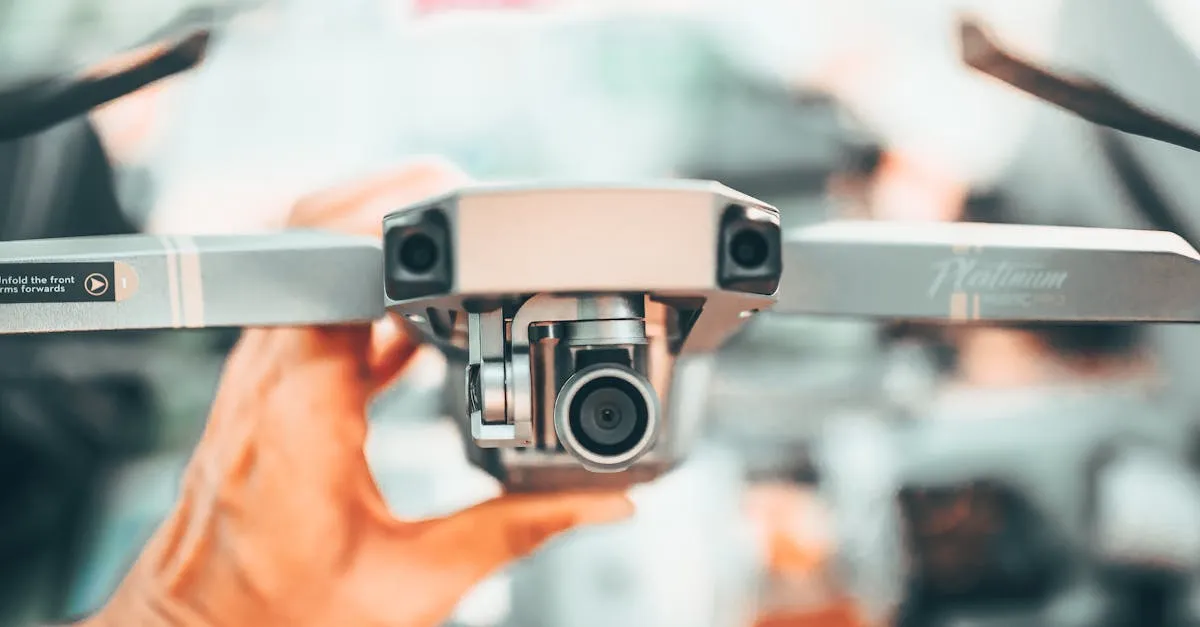
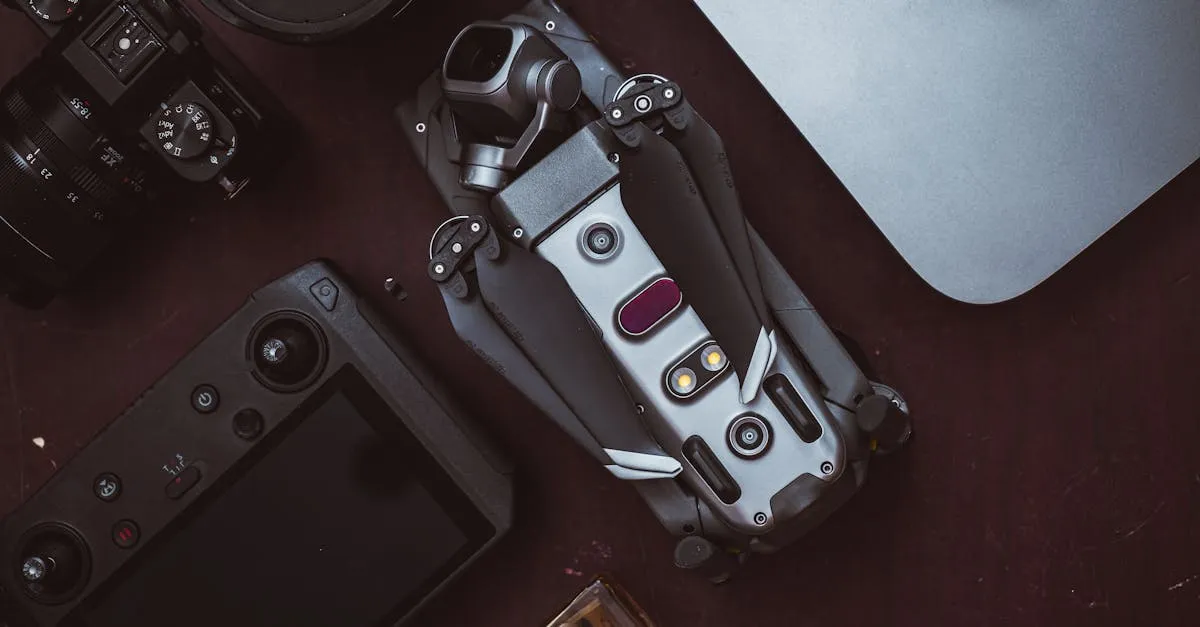
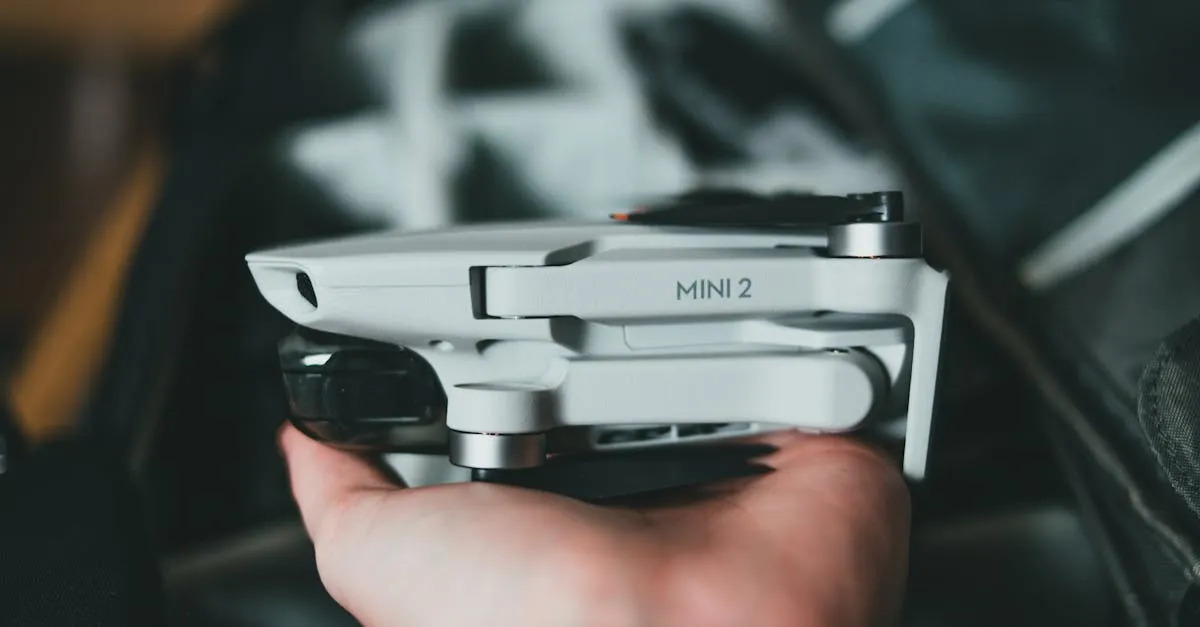
One recommendation, this is it. At 249 grams, it’s right at the friendly regulatory zone. Folded up, it’s genuinely pocket-sized — jacket pocket, not cargo pants.
The 1/1.3-inch sensor shoots 4K video and photos that actually look good. Image stabilization is solid. Low-light performance exceeds expectations for this size. 34-minute rated flight time (28-30 real-world).
Where it really shines: omnidirectional obstacle avoidance. Flying through tight forest spots and along cliffsides where a lesser drone would crash. When you’re somewhere remote, you really don’t want to lose your only drone.
The whole kit — drone, controller, three batteries — fits in a case smaller than a water bottle.
DJI Mini 3 — Best Budget Alternative
Significantly cheaper than the Mini 4 Pro with the exact same camera. Same sensor, same video quality, same photos.
What you give up: obstacle avoidance entirely — the base Mini 3 has no obstacle sensors at all (they arrive on the Mini 3 Pro and Mini 4 Pro) — plus some newer intelligent features. For open-area flying — over water, above valleys, along coastlines — these compromises barely matter.
A solid choice if image quality is your priority and you’re disciplined about flying in open areas.
Autel EVO Nano+ — Best DJI Alternative
At 249 grams with a slightly larger sensor than the Mini series, the Nano+ competes on specs. Premium build quality, comfortable controller.
The big differentiator: airspace decisions stay with you. DJI removed mandatory geofencing from its consumer apps in January 2025 — restricted airspace now appears as an advisory you can dismiss rather than a hard takeoff block — but Autel has always left airspace decisions entirely to the pilot with no warnings either. Either way, checking airspace yourself (B4UFLY, LAANC, local rules) is your legal responsibility. Check DJI’s Fly Safe documentation for how its advisories currently behave.
Downsides: the app isn’t as polished, updates come less frequently, and accessories are harder to find.
Travel Battery Rules
This catches people constantly. Lithium batteries have strict air travel rules.
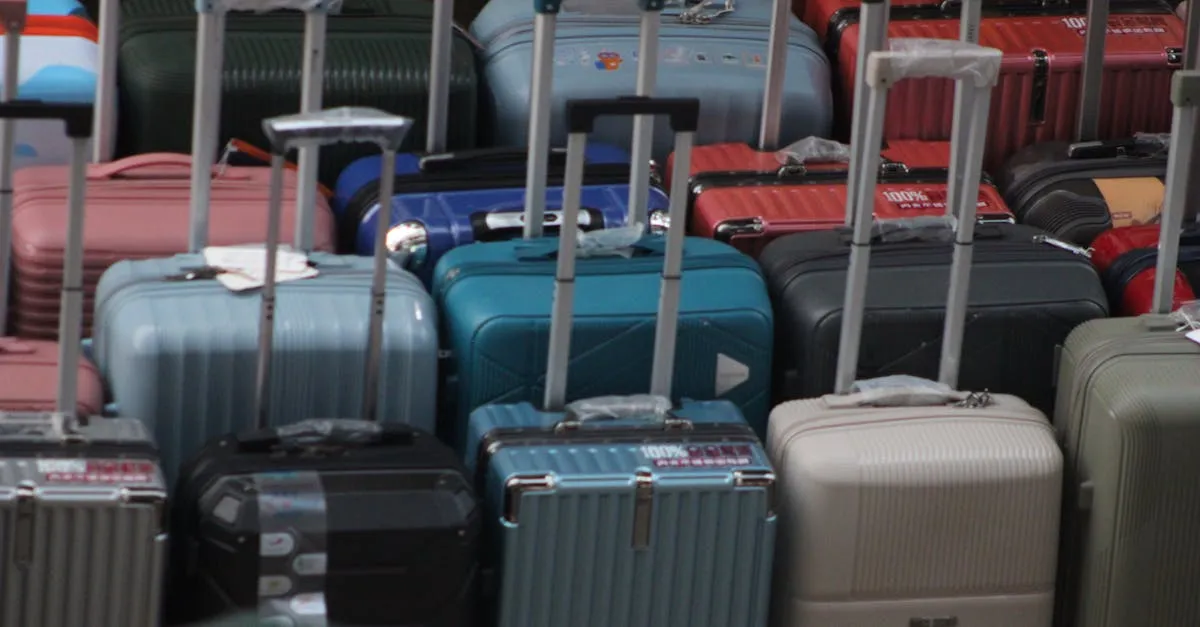
Carry-on only. Never check drone batteries. A fire in a cargo hold you can’t access is a serious risk.
Under 100Wh per battery. Most drone batteries are 20-40Wh, well under the limit. Check your specs.
Use battery safe bags. Cheap fire-resistant pouches. Some airlines require them, and it’s smart practice regardless.
Two or three spare batteries is reasonable. Don’t show up with 15.
Check Local Laws Before You Fly
Drone laws vary wildly by country. What’s legal at home might get your drone confiscated abroad.
Some countries are drone-friendly. Others require permits taking weeks, or have outright bans for visitors. Don’t assume anything. Research before you travel.
Respect no-fly zones — airports, military installations, government buildings, and cultural sites with unposted restrictions.
Get Travel Insurance
Your drone faces higher risk while traveling: unfamiliar environments, unexpected weather, limited replacement options. Check that your regular drone policy covers international use — many don’t by default.
The Verdict
For most backpackers, the DJI Mini 4 Pro is the right call. Small, light, capable, reliable. The Mini 3 works if budget matters more than obstacle avoidance. The Autel Nano+ is worth considering if you specifically want to avoid DJI.
Whatever you choose, practice at home before taking it somewhere amazing. Get comfortable with controls and camera settings so you’re ready when that once-in-a-lifetime shot appears.
Frequently Asked Questions
Why is the 250-gram threshold important? Drones under 250 grams receive favorable regulatory treatment in many countries. In the US, sub-250g drones don’t require recreational registration, making them more convenient for travelers.
What makes the DJI Mini 4 Pro the top pick? It combines pocket-sized folded design, quality 4K camera, 34-minute flight time, and omnidirectional obstacle avoidance that protects your investment near cliffs or through forests.
When should I choose the DJI Mini 3? If budget is your primary concern and you mainly fly in open areas. It offers identical image quality but has no obstacle avoidance at all and misses some newer intelligent features.
What’s the Autel EVO Nano+ advantage? Autel leaves airspace decisions entirely to the pilot. DJI removed mandatory geofencing in January 2025 in favor of dismissible advisories, so the gap has narrowed — but Autel’s hands-off approach (and no DJI ecosystem lock-in) still appeals to pilots who want full control.
How should I transport batteries on flights? Always pack batteries in carry-on luggage, never checked bags. Each must be under 100Wh (most are 20-40Wh). Fire-resistant battery safe bags are recommended.
Why is travel insurance important? Traveling increases risks through unfamiliar environments and limited replacement options. Many standard drone policies don’t cover international use by default, so verify coverage before your trip.
Our free Getting Started with Drones Course covers everything from choosing your drone to your first flight.