Cloud Base Formula: How to Calculate It
The Part 107 exam almost always includes at least one cloud base calculation. Here's the formula broken down step by step.
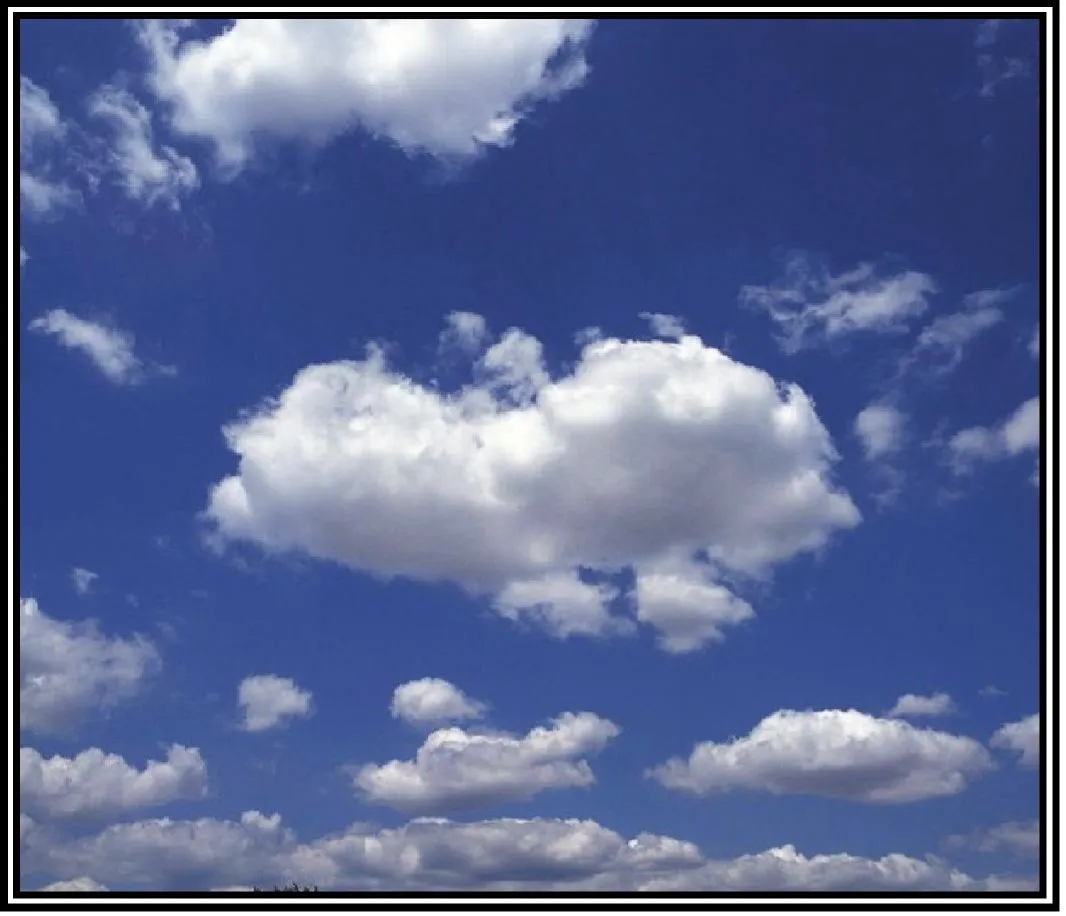
The cloud base formula calculates cloud altitude: take the temperature-dew point spread, divide by 4.4 degrees Fahrenheit, and multiply by 1,000 for feet AGL. Example: 85F minus 71F equals 14F spread, divided by 4.4 equals 3.18, giving 3,180 feet AGL. Drone pilots must stay 500 feet below this calculated base.
The Part 107 exam almost always includes at least one cloud base calculation question. It’s one of those formulas that seems intimidating until you see it broken down step by step.
Whether you’re reviewing weather theory for the first time or doing a final brush-up before test day, mastering this simple process will guarantee you easy points on your FAA exam.
Why Cloud Base Matters for Drone Pilots
Under 14 CFR § 107.51(b), you must maintain 500 feet below any clouds and 2,000 feet horizontally from clouds. You also need minimum 3 statute miles visibility.
To maintain these legal clearances, you need to know where the clouds start. If you can’t calculate cloud base, you risk violating clearance requirements — which can mean certificate suspension, penalties, or dangerously reduced visibility.
The Cloud Base Formula
Clouds form when rising air cools to the point where temperature and dew point converge. The FAA uses a standard convergence rate to estimate where this happens.
The formula (Fahrenheit):
- Get temperature (T) and dew point (DP) from the METAR
- Calculate the spread: T - DP = Spread
- Divide by the convergence rate: Spread ÷ 4.4 = X
- Multiply by 1,000: X × 1,000 = Cloud base in feet AGL
Example 1
Given: T = 85°F, DP = 71°F
- 85 - 71 = 14°F spread
- 14 ÷ 4.4 = 3.18
- 3.18 × 1,000 = 3,180 feet AGL
Example 2
Given: T = 72°F, DP = 60°F
- 72 - 60 = 12°F spread
- 12 ÷ 4.4 = 2.727
- 2.727 × 1,000 = 2,727 feet AGL
Example 3
Given: T = 55°F, DP = 50°F
- 55 - 50 = 5°F spread
- 5 ÷ 4.4 = 1.136
- 1.136 × 1,000 = 1,136 feet AGL
Notice how much lower the cloud base is when temperature and dew point are close together.
What This Means for Your Flight
Cloud base 1,136 feet AGL: Subtract 500 feet for clearance = 636 feet max altitude. But Part 107 limits you to 400 feet AGL. Since 400 < 636, you’re fine to fly normally.
Cloud base 800 feet AGL: Max legal altitude = 300 feet AGL. Your flight is restricted — you cannot exceed 300 feet without violating cloud clearance rules.
Cloud base below 500 feet AGL: Cannot fly at all. Even at 1 foot AGL, you’d still be within 500 feet of clouds.
The 500-foot below clouds rule always applies, regardless of waivers or structure proximity.

Quick Tips for the Exam
- Convergence rate is always 4.4°F (Fahrenheit) or 2.5°C (Celsius)
- Cloud base is always in feet AGL — not MSL
- Close T/DP spread = low clouds — think of two cars driving toward each other. Smaller gap = they meet sooner (lower altitude)
- 3°C (5°F) spread or less = possible fog — if T and DP are within 5°F, fog risk is real
Reading Temperature and Dew Point from a METAR
In a standard METAR, temperature and dew point appear after wind, formatted as TT/DD (both in Celsius).
Example: KABC 121855Z 18010KT 10SM 27/00 A2992
- 27/00 = Temperature 27°C, Dew Point 0°C
If the exam gives you Celsius, use the 2.5°C convergence rate: 27°C - 0°C = 27°C spread → 27 ÷ 2.5 = 10.8 → 10,800 feet AGL
If the exam gives you Fahrenheit values, use 4.4°F.
Negative dew points in METARs are preceded by “M” (e.g., 15/M03 = 15°C temp, -3°C dew point).
Master the Weather Section
The cloud base formula is just one piece of the weather puzzle. Our free Part 107 Course covers everything you need to pass, with detailed lessons on Weather Theory and METARs and TAFs.
Frequently Asked Questions
What convergence rate does the FAA use? 4.4 degrees Fahrenheit or 2.5 degrees Celsius. This rate represents how quickly temperature and dew point converge as air rises and cools.
How do I read temperature and dew point from a METAR? They appear after wind data in TT/DD format using Celsius. “27/00” means 27C temperature and 0C dew point. “15/M03” indicates -3C dew point.
What if cloud base is below 500 feet AGL? You cannot legally fly under Part 107. Even at 1 foot altitude, you’d violate the 500-foot cloud clearance requirement.
How does a close temperature-dew point spread affect cloud height? A smaller spread means clouds form at lower altitudes since temperature and dew point converge faster. A 5F spread or less also indicates possible fog conditions.
What are the minimum weather clearances under Part 107? 500 feet below clouds, 2,000 feet horizontally from clouds, and minimum 3 statute miles visibility. These apply regardless of structure proximity.
What’s my max altitude when cloud base is 800 feet AGL? 300 feet AGL (800 minus 500). This restricts your flight below the standard 400-foot limit due to cloud clearance requirements.
Ready to pass your FAA exam? Start studying today.