Earn Passive Income Selling Drone Stock Footage
Record once, sell forever. Here's how to turn your drone footage into a library of digital assets that generate income while you sleep.
You can earn passive income selling drone stock footage by uploading 4K aerial clips to agencies like Shutterstock, Adobe Stock, and Pond5. Contributors earn 15-40% royalties per sale ($0.10 to $5 per clip). Building a library of 500+ clips across multiple agencies can generate $500-2,000+ monthly in passive income.
Let’s talk about the holy grail of making a living as a drone pilot: passive income. You’ve probably heard “record once, sell forever” thrown around online. When it comes to drone stock footage, it’s actually true.
Unlike client work where you trade time for a set dollar amount, stock footage lets you build a digital asset that pays you over and over. You fly your drone on a beautiful day, upload the footage, and forget about it. Months or years later, that same clip is still generating revenue.
How Drone Stock Footage Works
You act as a supplier for massive digital marketplaces called stock agencies. You upload clips, and when a video editor, filmmaker, or advertising agency needs an aerial shot, they search the database, find your clip, and pay to license it.
No clients to chase. No invoices. No revision requests. When a sale is made, the agency takes a cut and you get a royalty — typically 15% to 40% of the sale price.
What Sells: The Best-Selling Drone Footage Categories
Not every random sunset will sell. To generate consistent income, give buyers what they’re actively searching for:
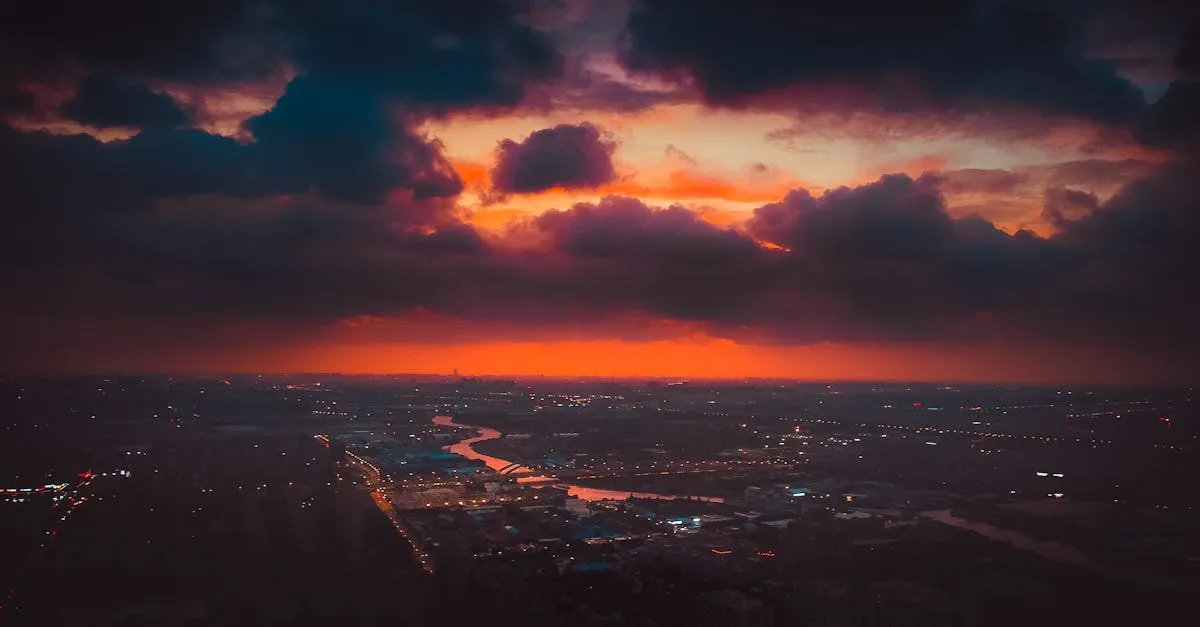
- Cityscapes and skylines (day + night) — Establishing shots for corporate videos, documentaries, and TV. Get downtown in bright daylight and the city lights turning on at dusk.
- Coastal and beach aerials — Ocean footage sells incredibly well. Fly along shorelines, capture waves, show sweeping beach overviews.
- Real estate flyovers (generic, no addresses) — Film beautiful suburban neighborhoods or luxury homes from a distance. Buyers use these for mockups and generic commercials.
- Nature landscapes (mountains, forests, rivers) — Epic, sweeping environmental shots are always in demand.
- Agricultural fields and farms — Symmetrical crop rows, tractors working, sweeping farmland. Great for agricultural and sustainability content.
- Construction sites — Slow sweeps of heavy machinery, cranes, and foundations. Heavily used in commercial and industrial videos.
- Traffic and highways — Top-down shots of intersections, interchanges, and city streets. Perfect b-roll for representing urban life.
- Seasonal content — Snow, autumn leaves, spring blooms. Buyers need footage matching specific times of year.
Technical Requirements
Stock agencies have review teams that reject subpar video without hesitation:
- 4K minimum — Many agencies won’t accept 1080p anymore
- Frame rate: 23.976 or 24fps preferred for cinematic look (25/30fps usually accepted)
- Clip length: 10-30 seconds. Buyers want bite-sized, ready-to-use clips
- Stabilization: Must be clean and smooth. Shaky footage gets rejected
- No color grading — Leave it flat or apply neutral Rec.709. Professional editors prefer to grade themselves
Pro Tips for High-Selling Clips
Smooth, slow, cinematic movements. Slow, intentional pans and reveals sell way better than erratic fast-paced flying.
Use ND filters. Non-negotiable. ND filters let you maintain proper shutter speed (double your frame rate, following the 180-degree rule), creating natural motion blur.
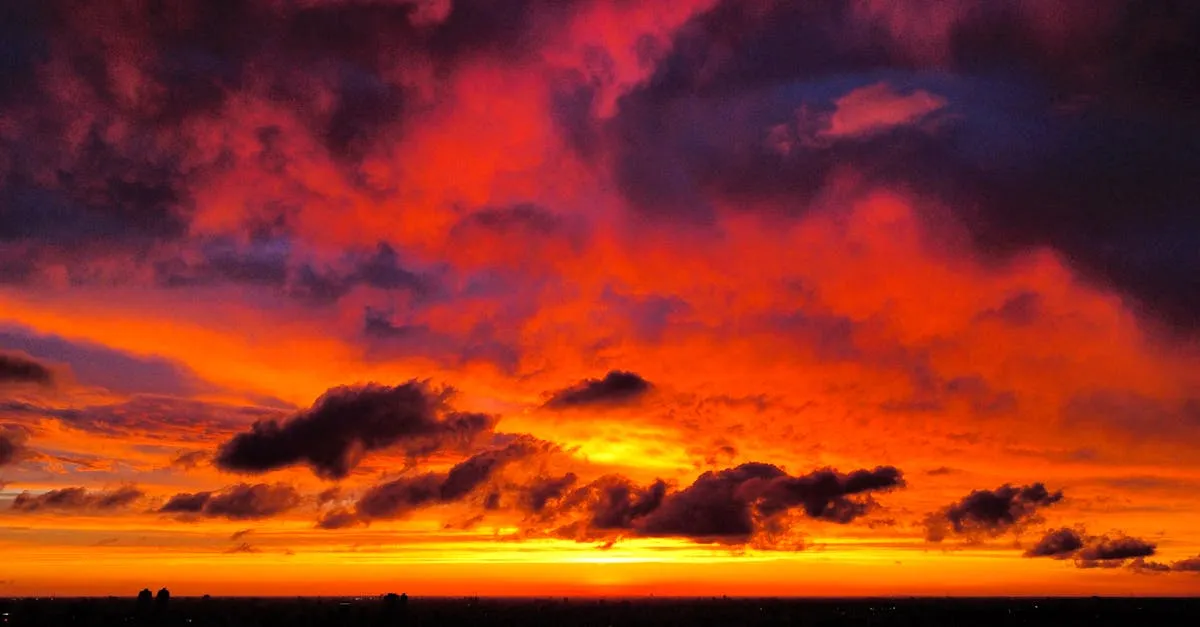
Shoot during golden hour. Soft, warm light shortly after sunrise and before sunset instantly elevates production value compared to harsh midday shadows.
Avoid recognizable faces and license plates unless you have signed model or property releases. Stock agencies are strict about privacy.
Good keywords and descriptions. Your footage is useless if nobody can find it. Instead of just “city,” use “downtown Los Angeles skyline twilight cityscape urban buildings aerial.”
Where to Sell: Top Agencies
Upload to multiple agencies (non-exclusively) to multiply your income:
- Shutterstock — Massive buyer traffic, easy upload process
- Adobe Stock — Integrates seamlessly with Premiere Pro and After Effects users
- Pond5 — Known for higher-end cinematic content and fair contributor royalties
- Artgrid (by Frame.io) — Premium subscription platform with higher barrier to entry but great payouts
- Videoblocks/Dissolve — Cater to corporate and commercial buyers
Realistic Earnings
On average, you’ll earn $0.10 to $5 per clip sale, depending on the platform, buyer subscription, and resolution.
It doesn’t sound like much per sale, but volume is where the magic happens. Top contributors with massive, high-quality libraries earn $500 to $2,000+ per month in pure passive income.
Rome wasn’t built in a day. A great target is 500+ clips. Once you hit that across multiple agencies, the compounding effect of dozens of daily micro-sales becomes a noticeable income stream.
Batch Shooting for Maximum Efficiency
Don’t go out, fly ten minutes, come home, and edit one clip. That’s a waste of battery life.
Plan dedicated flight sessions around stock footage. Before takeoff, visualize 20-30 different clips at that location. Get your wide establishing shot, slow pan left, top-down angle, and close-up details. By batching shooting and editing, you can turn a single two-hour outing into 25 polished, ready-to-upload clips.
Start Building Your Library
Frequently Asked Questions
Do I need a drone license to sell stock footage? Yes. In the US, an FAA Part 107 certificate is required. Selling footage counts as commercial activity, so flying without proper certification could result in rejected submissions or legal issues.
How long does it take to start seeing sales? Most contributors report their first sale within 1-3 months of uploading. Meaningful income typically takes 6-12 months as your library grows and gains traction in agency search algorithms.
What frame rate should I use? 23.976 or 24fps for a cinematic look. 25fps and 30fps are usually accepted too. Use ND filters to maintain proper shutter speed (double your frame rate) for natural motion blur.
How long should stock footage clips be? 10-30 seconds. Buyers want bite-sized, ready-to-use shots rather than long clips. Keep each shot focused on a single movement or subject.
What causes clips to get rejected beyond technical issues? Common rejections include visible logos, copyrighted buildings, recognizable people without releases, and poor composition. Agencies also reject footage with propeller shadows, lens flares, and sensor spots.
Can I film recognizable landmarks and sell that footage? It depends on the location and agency. Many famous buildings and monuments have copyright or trademark protections. Research specific landmarks beforehand, and when in doubt, film generic versions without identifiable protected structures.
Selling drone stock footage is a marathon, not a sprint. But the finish line is a continuous stream of passive income that pays while you sleep.
Ready to start? Check out our free Drone Stock Footage Course to learn exactly how to upload, keyword, and optimize your clips for maximum sales. Want to make sure your raw footage is good enough to sell? Enroll in our free Cinematic Drone Video Course to master the flying and camera settings that top buyers demand.