Drone Motors Explained: Stator Size, KV, and How to Choose
2207? 2400KV? What do these numbers mean? Here's the complete guide to understanding drone motor specs and matching them to your build.
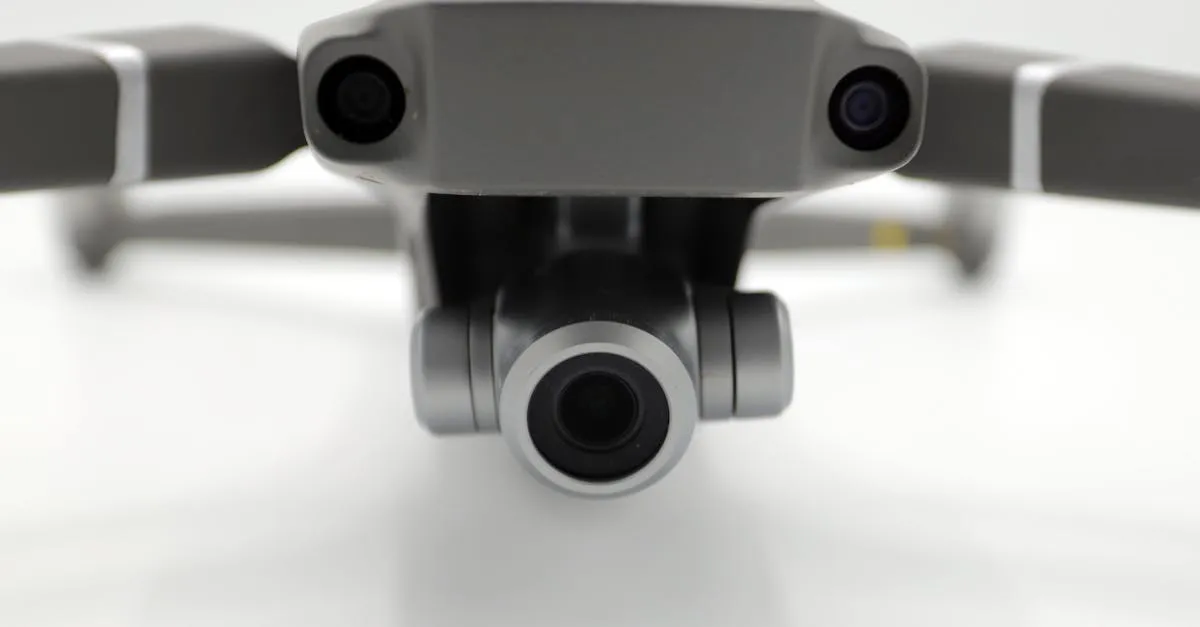
Choosing the right brushless drone motor comes down to balancing stator size and KV rating. Stator dimensions dictate torque and power, while KV determines RPM per volt. You must match these specs with your battery voltage and propeller size to prevent burning out the motor or getting insufficient thrust.
All modern drones use brushless motors — permanent magnets and electromagnets, no physical contact, less friction, higher efficiency. When shopping, two specs matter most: stator size and KV rating.
Understanding Stator Size
Format: XXYY (e.g., 2207 = 22mm diameter, 7mm height).
- Larger diameter = more torque
- Taller height = more power at high RPM, better heat dissipation
| Stator | Use Case |
|---|---|
| 1103 | Tiny whoop, indoor micro |
| 1408 | 2-3” micro builds |
| 2207 | Standard 5” FPV |
| 2306 | Popular freestyle choice |
| 2814 | Long-range 7” builds |
KV Rating Explained
KV = RPM per volt under zero load. A 1000KV motor on 4S (14.8V) spins at ~14,800 RPM.
- Higher KV = more RPM, less torque, draws more current, needs smaller props
- Lower KV = less RPM, more torque, more efficient, swings larger props
| Build | Battery | KV Range |
|---|---|---|
| 5” FPV | 4S | 2300-2700KV |
| 5” FPV | 6S | 1300-1960KV |
| Camera/platform | 3-4S | 900-1000KV |
The Golden Triangle
Motor KV + prop size + battery cell count must match.
- High KV + big prop = burned motor (over-amp)
- Low KV + small prop = no thrust (underpowered)
- Always check manufacturer spec sheets for recommended props and cell counts
Popular Motor Choices
| Build Type | Motor | Price |
|---|---|---|
| 5” Freestyle | Emax Eco II 2306 2400KV | Budget king |
| 5” Racing | T-Motor F60 Pro 2207 2550KV | Blistering speed |
| Long Range 7” | iFlight Xing-E 2806.5 1300KV | Massive low-end torque |
| Cinematic | Emax RS2 2306 1700KV | Smooth power curve |
| Micro 2.5-3” | 1404/1408-class, ~2800-3900KV | Indoor/outdoor snap |
| Platform/camera | A2212 1000KV | Budget classic |
Signs of a Bad Motor
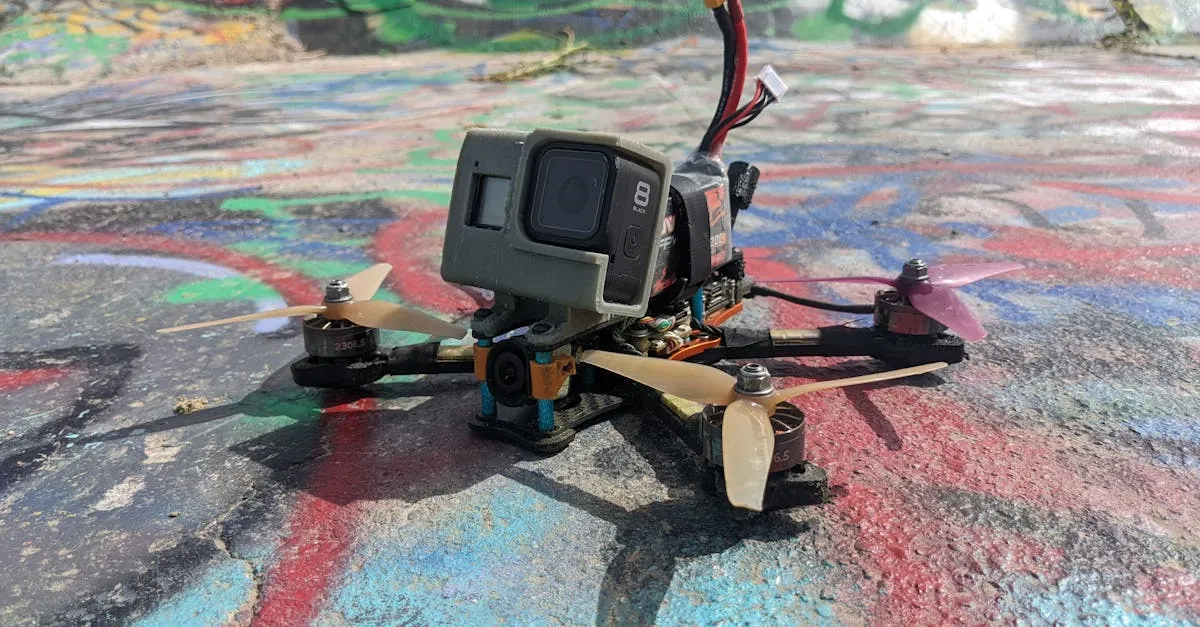
- Rough bearings — Grinding feel when spinning by hand
- Bent bell shaft — Visible wobble at the top
- Burned windings — Burnt smell, dark discoloration on copper
- Loose magnets — Rattling inside the bell housing
Frequently Asked Questions
What do the numbers in a motor’s stator size mean? The numbers represent the stator’s physical dimensions in millimeters. First two digits are diameter (controls torque), last two are height (affects power at high RPMs and heat dissipation).
How does KV rating impact performance? KV measures RPM per volt under zero load. Higher KV provides faster RPMs but draws more current and requires smaller props. Lower KV offers more torque for swinging larger props.
What happens if I pair a high KV motor with a large propeller? This dangerous mismatch causes the motor to draw excessive current and over-amp, ultimately overheating and permanently burning out your motor.
Which motor size for standard five-inch FPV builds? The 2207 and 2306 stator sizes are most popular for 5-inch FPV drones. They provide an ideal balance of torque and high-end power for both freestyle and racing.
How do battery cell counts change which KV motor I need? Higher voltage batteries require lower KV motors. A 5-inch drone on 6S needs 1300-1960KV, whereas a 4S setup requires 2300-2700KV.
What are the physical signs a motor needs replacing? Grinding feeling indicating rough bearings, visible wobble from a bent bell shaft, burnt smell, dark copper discoloration, or rattling loose magnets inside the housing.
Master every component in our free Build Your Own Drone course.