Construction Drone Services
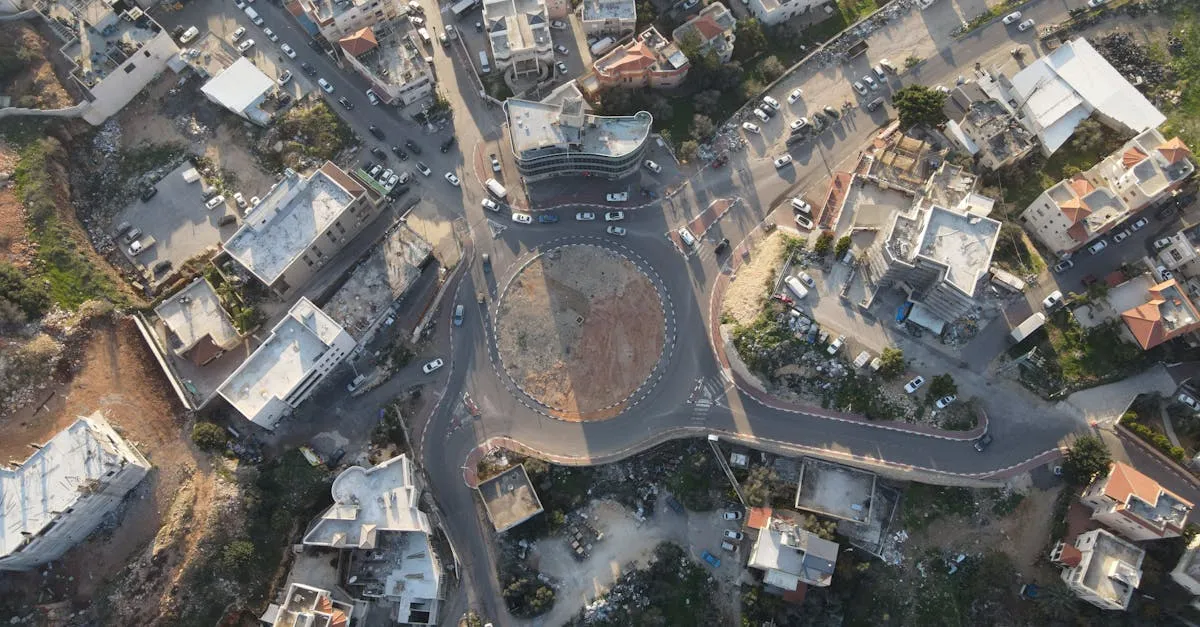 Construction is the single largest commercial market for drone services. Every phase of a construction project benefits from aerial data, and general contractors need that data updated regularly. This means repeat contracts, not one-off jobs.
The Construction Lifecycle
A construction project moves through distinct phases. Each one presents a different drone service opportunity:
Pre-construction: Before ground breaks, developers need aerial views of the site for planning. Drone topographic maps help engineers design road layouts, drainage systems, and building placements. Real estate developers use aerial imagery to evaluate potential sites.
Earthwork and grading: Once excavation starts, contractors need to track how much dirt has been moved. Drone elevation models calculate cut and fill volumes with far more accuracy than manual measurement. This data feeds directly into progress billing.
Structural progress: As buildings go up, project managers compare current conditions against architectural plans. Drone overflights captured weekly or monthly show exactly what has changed. Deviations from design get caught early, before they become expensive fixes.
Final inspection: Before handover, drones capture a complete visual record of the finished project. Insurance companies, investors, and building inspectors use this documentation.
Services to Offer
Progress photography and video: The most accessible entry point. Fly the site regularly, capture the same angles each time, and deliver side-by-side comparisons. Price at $200-400 per visit. Sell weekly or monthly packages.
Orthomosaic mapping: Process aerial images into measurable maps that overlay on site plans. Engineers use these for design verification and progress tracking. Price at $500-1,500 per flight depending on site size.
3D modeling: Generate photogrammetric 3D models of structures under construction. Architects and engineers use these for clash detection and design review. Price at $1,000-3,000 per model.
Volumetric analysis: Calculate cut/fill quantities for earthwork contractors. This is high-value work because it directly affects project costs. Price at $500-2,000 per analysis.
Thermal inspection: Use a thermal camera to detect insulation gaps, moisture intrusion, or HVAC issues in completed buildings. Price at $500-1,500 per inspection.
Pricing Construction Contracts
Most construction drone work follows one of three pricing models:
Per-visit: Charge a flat rate for each site visit. Good for small or infrequent jobs. Rates range from $200-500 for basic photography to $1,000-3,000 for mapping and modeling.
Monthly retainer: The client pays a fixed monthly fee for a set number of flights and deliverables. This is the sweet spot. A construction company paying $2,000-4,000 per month for weekly progress maps and monthly volumetric reports is getting tremendous value, and you have predictable income.
Project-based: Bid on the entire project duration. A 12-month construction project might be worth $15,000-40,000 in drone services over its lifetime. This model requires careful scope definition but locks in revenue.
Finding Construction Clients
Target the people who actually make decisions on job sites:
- General contractors: They manage the entire project and need progress data for reporting to owners and investors
- Project managers: They track schedules and budgets. Your data helps them do both
- Earthwork contractors: They need volume calculations for billing and compliance
- Architecture and engineering firms: They use drone data for design verification and as-built documentation
Cold outreach works in construction. Walk onto a job site (with permission), ask for the project manager, and show them a sample progress report from a similar project. Construction is a visual industry. Seeing what you can deliver sells better than any pitch deck.
The Repeat Business Advantage
A single construction project generates 10-30 drone flights over its duration. At $300 per flight, one project is worth $3,000-9,000. Land three concurrent projects and construction drone work alone can sustain your business.
The key is consistency. Deliver on schedule, every time. Construction project managers have enough variables to manage. Your drone service should not be one of them. Show up when you said you would, deliver clean data within 24-48 hours, and format everything so they can use it immediately.