Thermal and Multispectral Data Capture
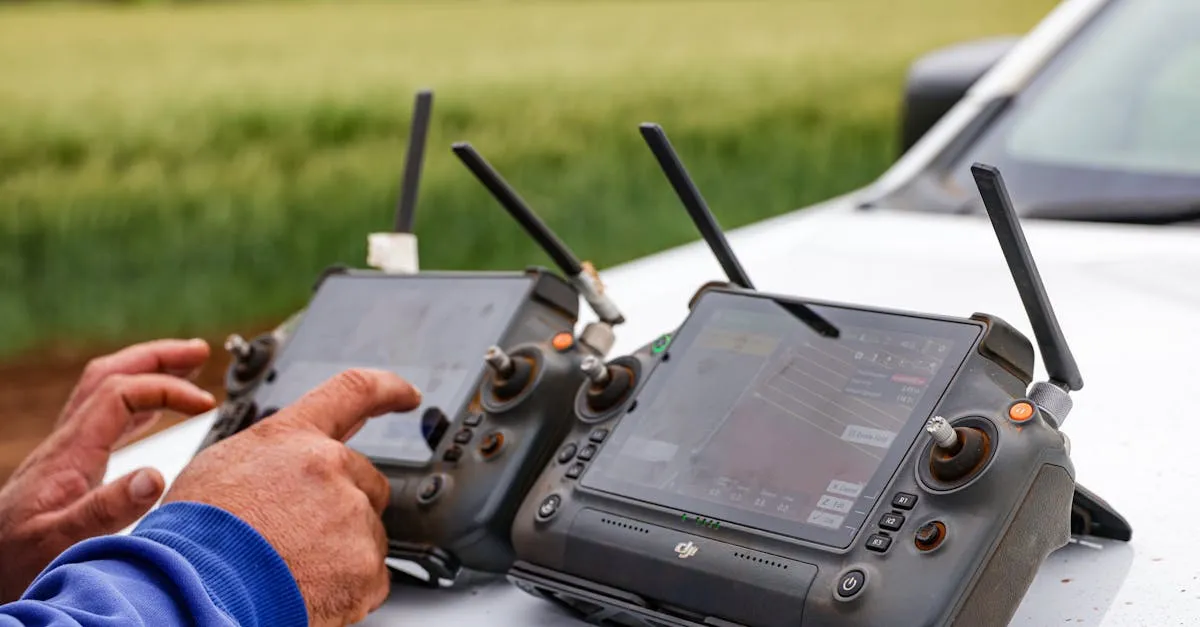 Not everything worth capturing shows up in a regular photograph. Your drone’s RGB camera sees what your eyes see. But two other sensor types reveal information that is genuinely invisible: thermal and multispectral.
These sensors turn your drone from a flying camera into a diagnostic tool. Roof inspectors use thermal to find water leaks under shingles. Farmers use multispectral to spot dying crops weeks before they look sick. Search and rescue teams use thermal to find people in the dark.
Thermal Sensors: Seeing Heat
Thermal cameras detect infrared radiation that every object emits. Warmer objects emit more radiation. The sensor converts these differences into a visual temperature map. On the display, hot areas show up bright (yellow, white, red) and cool areas show up dark (blue, purple).
The camera is not taking a photograph. It is measuring surface temperatures and rendering them as an image. This distinction matters because thermal accuracy depends on several factors:
- Distance: The farther you fly from the target, the lower the temperature resolution. A thermal camera that reads accurate temperatures at 30 feet may give you vague ranges at 200 feet.
- Emissivity: Different materials emit infrared radiation at different rates. Metal reflects heat differently than concrete or vegetation. Most thermal software lets you set the emissivity value for better accuracy.
- Environmental conditions: Wind cools surfaces. Direct sun heats them. A roof inspection at noon gives different readings than one at dawn. Consistency in timing matters more than any single reading.
Thermal Flight Settings
Fly slower than you would for standard mapping. Thermal sensors need stable, controlled passes to capture clean data. Altitude should be as low as your subject allows, typically 50-100 feet for building inspections and 100-200 feet for agricultural surveys.
Overlap settings should be generous, around 70-80% front and side overlap, because thermal images have lower resolution than RGB photos.
What Thermal Reveals
Building inspections: Missing insulation shows as heat escaping through walls and roofs. Water intrusion appears cooler than dry areas because evaporating moisture lowers surface temperature. Electrical faults glow hot before they fail.
Agriculture: Crops under water stress appear warmer than well-irrigated plants because transpiration cools healthy leaves. Pest infestations create localized heat patterns.
Search and rescue: Human body heat stands out clearly against cool terrain at night or in dense vegetation. A thermal-equipped drone can search acres in minutes that would take a ground team hours.
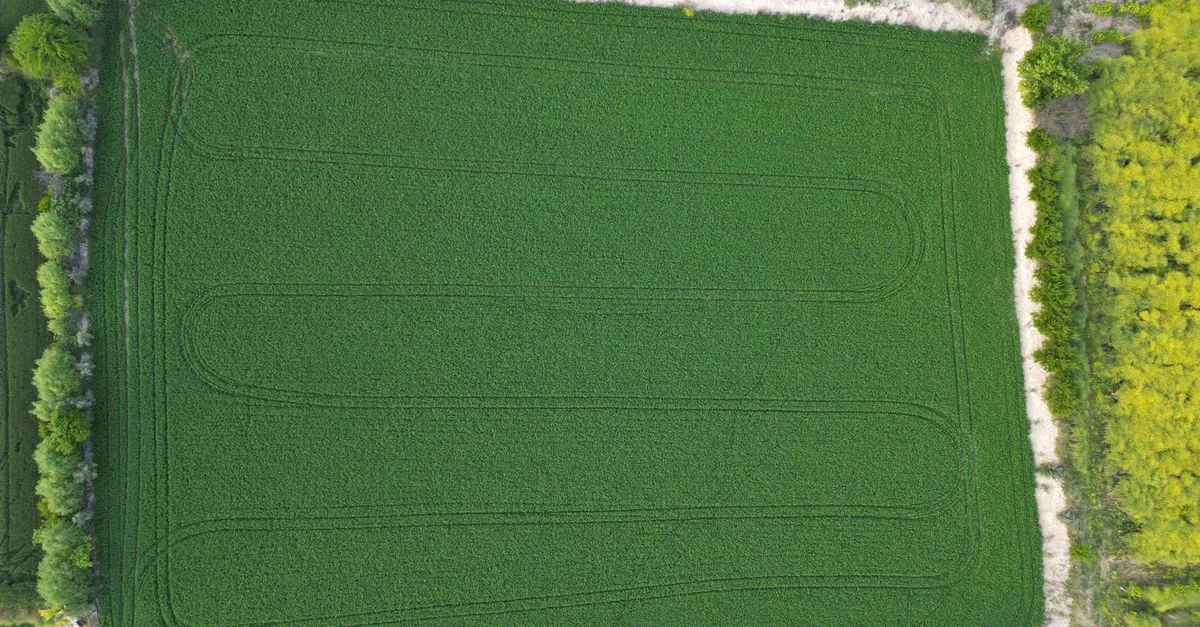
Multispectral Sensors: Beyond Visible Light
Multispectral cameras capture specific bands of light, including near-infrared (NIR) and red-edge frequencies that plants reflect differently depending on their health.
Healthy vegetation reflects massive amounts of near-infrared light. Stressed or diseased plants reflect less. This difference is invisible to your eyes and to a standard camera, but a multispectral sensor picks it up clearly.
The NDVI Index
The most common multispectral metric is NDVI (Normalized Difference Vegetation Index). The formula compares how much near-infrared light a plant reflects versus how much red light it absorbs:
NDVI = (NIR - Red) / (NIR + Red)
Values range from -1 to 1. Healthy, dense vegetation scores 0.6 to 0.9. Stressed vegetation drops to 0.2 to 0.5. Bare soil sits near 0.1. Water goes negative.
You do not need to calculate this yourself. Processing software like DroneDeploy, Pix4D, and QGIS compute NDVI automatically from multispectral imagery and generate color-coded maps showing crop health across entire fields.
Multispectral Equipment
Dedicated multispectral sensors from companies like MicaSense (now part of AgEagle) and Sentera mount beneath your drone and capture 5-10 separate light bands per image. These cost $3,000-10,000 and are serious professional tools.
Some newer drones, like the DJI P4 Multispectral, integrate a 6-band multispectral sensor array alongside an RGB camera. This is purpose-built for agricultural work.
Flight Planning for Multispectral
Flights need consistent lighting conditions. Cloud cover that changes during a flight creates inconsistent readings. Plan flights for clear skies within a narrow time window, typically within two hours of solar noon.
Fly at consistent altitude. Ground sampling distance directly affects the resolution of your vegetation health maps. Lower altitude means more detail but more flight time to cover the same area.
Which Do You Need?
Neither thermal nor multispectral is a beginner purchase. Start with RGB mapping. Add thermal when you have inspection clients who need it. Add multispectral when you have agricultural clients who will pay for crop health analysis.
Both sensor types require specific processing software and experience to interpret results correctly. The data is only useful if you can explain what it means to your client.
If you want to explore thermal imaging without buying a dedicated drone, DJI’s Mavic 3 Thermal (discontinued but common used, with the Matrice 4 Thermal as its current successor) is the most accessible entry point. For multispectral work, the P4 Multispectral or a MicaSense RedEdge sensor on a Matrice platform is the standard starting setup.
Quick Check
Q: What does a thermal camera actually measure? A: Surface temperatures. It detects infrared radiation that every object emits and converts the differences into a visual temperature map — it is not taking a photograph.
Q: What is NDVI and what do its values tell you? A: The Normalized Difference Vegetation Index, calculated as (NIR - Red) / (NIR + Red). Healthy, dense vegetation scores 0.6 to 0.9, stressed vegetation drops to 0.2 to 0.5, bare soil sits near 0.1, and water goes negative.
Q: What flight conditions does a multispectral survey need? A: Consistent lighting — clear skies within a narrow window, typically within two hours of solar noon — and a consistent altitude, because changing cloud cover during a flight creates inconsistent readings.