Drone Battery Safety: Charging, Storage, and Transport
LiPo batteries pack incredible energy into a lightweight package. That same energy density is why they demand respect. Here's how to handle them safely.
LiPo batteries demand respect: charge only with OEM chargers, never unattended, and on non-flammable surfaces. Store at 40-60% charge in a cool, dry place using fireproof bags. Expect 200-300 charge cycles before replacement. When flight time drops below 80% of original duration, start shopping. Never throw LiPo batteries in the trash; take them to battery recycling centers.
LiPo batteries are the unsung heroes of drone flight. They pack incredible energy into a lightweight package, but that same energy density is why they demand your respect. Most battery incidents are completely preventable with basic safety practices.
Charging: Where Most Mistakes Happen
Charging is when your battery is most vulnerable — actively receiving energy with chemical reactions accelerating.
Use only OEM chargers. Cheap generic chargers lack the circuitry that prevents overcharging and monitors cell balance. Not worth saving twenty bucks.
Never charge unattended. A battery that starts to vent can go from smoky to fully engulfed in seconds. If something goes wrong, you need to be there.
Charge on non-flammable surfaces. Concrete garage floors, ceramic tiles, dedicated charging mats. Never on carpet, wooden tables, or near flammable materials. Fireproof LiPo bags add protection but shouldn’t be your only precaution.
Let batteries cool before charging. Your battery gets hot during flight. Charging a hot battery stresses cells and increases thermal runaway risk. Wait at least 15 minutes after flying.
Never overcharge. Modern smart chargers handle this automatically, but with manual chargers, pay attention and disconnect when done.
Storage: The 40-60% Sweet Spot
How you store batteries between flights matters more than most pilots realize.
Store at 40-60% charge. Storing at 100% stresses cells and reduces lifespan. Storing empty is even worse — if a battery self-discharges below critical voltage, it’s permanently damaged and potentially unsafe to charge.
Most modern chargers have a “storage” mode that brings batteries to ideal voltage automatically. Use it. If yours doesn’t, fly until roughly 50% before putting away.
Cool, dry place. Room temperature (68-72F) is ideal. Avoid hot cars, direct sunlight, and freezing garages.
Use fireproof LiPo bags. They won’t stop a determined fire, but can contain a small incident and give you time to react.
Check monthly. If stored batteries drop below 20%, top them back to storage voltage.
Transport
- Tape terminals with electrical tape to prevent accidental short circuits
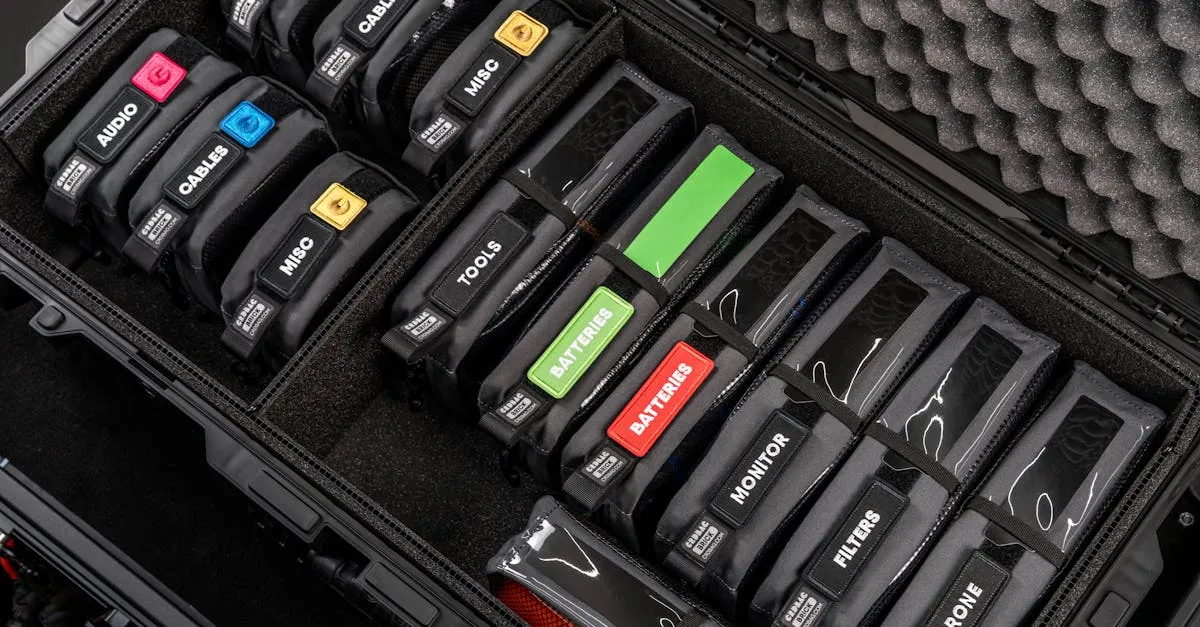
- Use individual battery cases or fireproof bags
- Never toss loose batteries into a bag
- Always carry-on for flights — never check
Warning Signs: When to Retire a Battery
Swelling or puffiness. The most obvious red flag. Stop using immediately. Carefully discharge and take to recycling.
Damaged wrapper. The plastic wrapping prevents cells from shorting. Minor damage can be re-wrapped with battery tape. Extensive damage means replacement.
Unbalanced cells. If your charger consistently shows cells won’t balance, the battery has internal issues. Replace it.
Battery Lifespan
Expect 200-300 charge cycles from a quality LiPo battery under normal use. Judge health by flight time — when you consistently get less than 80% of original duration (30 min drops to 22-23 min), start shopping for replacements.
Disposal
Never throw LiPo batteries in the trash. They cause fires in garbage trucks and landfills. Take to a battery recycling center or hazardous waste facility. Many electronics stores accept used batteries.
Frequently Asked Questions
Why should I never charge batteries unattended? A battery that starts to vent can go from smoky to fully engulfed in seconds. Charging is when batteries are most vulnerable as chemical reactions accelerate. You need to be there to respond immediately.
What charge level for storage? 40-60% charge. Storing at 100% stresses cells and reduces lifespan. Storing empty is worse. If a battery self-discharges below critical voltage, it’s permanently damaged and potentially unsafe to charge.
How do I know when to retire a battery? Look for swelling or puffiness (stop using immediately), damaged wrapper, or unbalanced cells. When you consistently get less than 80% of original flight time (like 30 minutes dropping to 22-23), start shopping for replacements.
How long do LiPo batteries typically last? 200-300 charge cycles under normal use. Judge health by flight time rather than cycle count. When performance drops below 80% of original capacity consistently, the battery is nearing end of life.
Why wait before charging after flying? Your battery gets hot during flight. Charging a hot battery stresses cells and increases thermal runaway risk. Wait at least 15 minutes to let it cool before connecting to the charger.
How should I dispose of old batteries? Never throw LiPo batteries in the trash. They cause fires in garbage trucks and landfills. Take them to a battery recycling center or hazardous waste facility. Many electronics stores also accept them. Our free Getting Started with Drones Course covers battery care, pre-flight safety, and everything new pilots need.