Why Drone Roof Inspections Are Booming
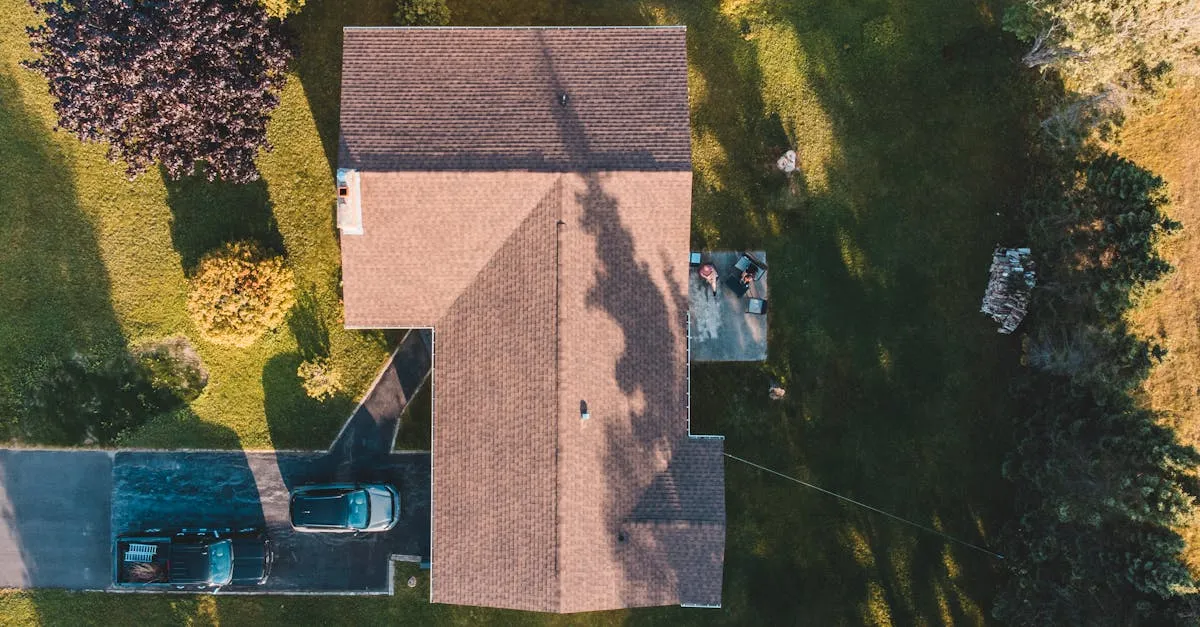
If you are looking for a drone business model that actually pays the bills, roof inspections deserve your full attention. Out of all the commercial applications for drones, inspecting roofs is arguably the most practical, the most in-demand, and the easiest to break into.
Think about what it takes to inspect a roof the traditional way. Someone has to climb a ladder, walk across a sloped surface covered in slippery shingles, and visually scan for damage. For homeowners, this means paying a premium and dealing with the sheer time it takes. For the person on the roof, it means risking a fall. Falls are the leading cause of death in construction, and roofers make up a massive portion of those statistics.
Drones flip this dynamic. Instead of sending a human up a ladder, you send a camera. You capture high-resolution images of every square foot of a roof in a fraction of the time it takes to set up safety equipment and climb. Faster, significantly safer, and almost always cheaper for the end client.
Who Is Paying for These Flights
The biggest customer base is insurance companies. After a severe hailstorm or wind event, adjusters are overwhelmed with claims. They cannot physically visit every damaged house in a timely manner. By hiring drone pilots to capture aerial imagery, they process claims from their desks. If you live in an area prone to severe weather, insurance inspection work can keep you flying full-time.
Roofing contractors are your second major market. When a homeowner calls for a quote, the contractor needs to know what they are dealing with. Sending a crew chief to climb a roof just for an estimate wastes time and labor. Many roofing companies now partner with drone pilots to get visual data for accurate quotes without leaving the office.
Homeowners and real estate agents make up a third tier. A buyer might want a closer look at the roof of a potential home before closing. A real estate agent might hire you as part of a larger property listing package.
Roof inspections pair perfectly with real estate photography. If you are already at a house shooting exterior photos for an agent, offering to add a quick roof scan for an extra $100 is an easy upsell that takes just a few minutes.
What You Can Expect to Charge
For a standard residential home, pilots typically charge between $100 and $250. This involves flying a systematic pattern to capture overlapping photos of the roof, plus a few manual shots of specific areas like flashing, vents, or chimneys.
Commercial roof inspections scale up quickly. Flat commercial roofs are often massive, requiring longer flight times and more complex coverage. Commercial jobs regularly pay between $300 and $500, sometimes more if the building is exceptionally large or requires thermal imaging to detect moisture under the membrane.
You are not a licensed roof inspector. Never diagnose a problem. You do not tell the client they have “hail damage” or “a failing chimney stack.” You tell them you observed “dark spots on the shingles” or “cracked mortar on the chimney cap.” Diagnosing structural issues requires specific licenses and opens you up to serious liability. Frame your service as aerial data collection, nothing more.
Why the Timing Is Right
The barrier to entry is low. A standard consumer drone with a good 4K camera captures the detail needed for a basic residential inspection. The real skill is in your flight planning, your ability to get the right angles, and your data management. Clients expect a clean, organized folder of images or a simple report, not a raw dump from your SD card.
As more industries realize the efficiency of aerial data, the pilots who have their workflow dialed in will be the ones grabbing the recurring contracts.