Shooting the Inspection: Flight Techniques
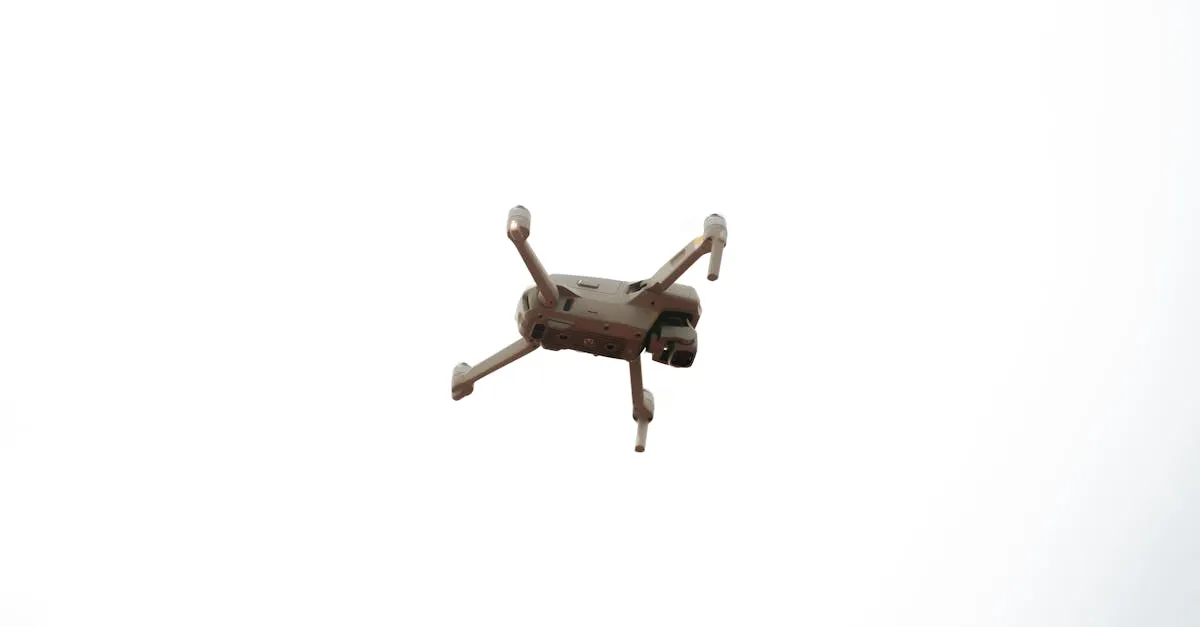
The difference between a useful roof inspection and a pile of pretty aerial photos comes down to technique. Your client needs specific angles captured in a specific order. Here is the flight workflow that produces deliverables insurance adjusters and roofing contractors actually use.
Altitude and Speed
For the overview pass, fly at 40-60 feet above the roofline. This gives you the full roof in frame while retaining enough detail to spot missing shingles or dark spots. Fly slowly, 3-5 mph maximum. Speed blurs images and makes it harder to maintain consistent coverage.
For detail shots, drop to 15-25 feet above the roof surface. This is where you capture individual shingle condition, flashing integrity, and specific damage. Move slowly and deliberately.
Never fly directly over people, and maintain at least 10 feet of lateral clearance from the roof surface. If your drone malfunctions and drops, you do not want it hitting the roof and causing the exact damage you were hired to document.
The Three-Angle Approach
Every section of the roof needs three types of shots:
Top-down (nadir): Camera pointing straight down. This gives the overall condition view, showing shingle patterns, discoloration, and the general state of the roof surface. Fly in parallel lines across the entire roof to create overlapping coverage.
45-degree oblique: Camera angled at roughly 45 degrees. This reveals the slope of the roof, the condition of shingle edges, and any cupping, curling, or lifting that is invisible from directly above. Capture all four slopes/elevations.
Close detail: Camera angled to capture specific features at close range. Use this for chimneys, vents, flashing, valleys, ridge caps, gutters, and any visible damage. Get within 10-15 feet of the target area.
Systematic Coverage Pattern
Do not fly randomly. Follow this pattern:
- Overview pass: Grid the entire roof at altitude, top-down camera angle
- Slope-by-slope: Fly along each roof slope at 45-degree oblique angle
- Feature detail: Visit each chimney, vent, valley, and flashing area for close-ups
- Gutter pass: Fly along the gutters capturing their condition and any debris
- Damage documentation: Return to any areas where you spotted potential issues for detailed close-ups
This systematic approach ensures you do not miss sections and makes your deliverable easy for the client to navigate.
Camera Settings
Lock your exposure settings before starting. Set ISO to 100-200 and shutter speed to 1/500 or faster to freeze motion. Most drone cameras — including most DJI models — have a fixed aperture, so your exposure levers are ISO and shutter speed: set both manually. Shoot in the highest resolution available. If your drone supports RAW+JPEG, use both.
Avoid automatic exposure, which shifts as you fly over dark and light areas of the roof. Manual settings give you consistent exposure across the entire inspection.