Capturing the Right Images
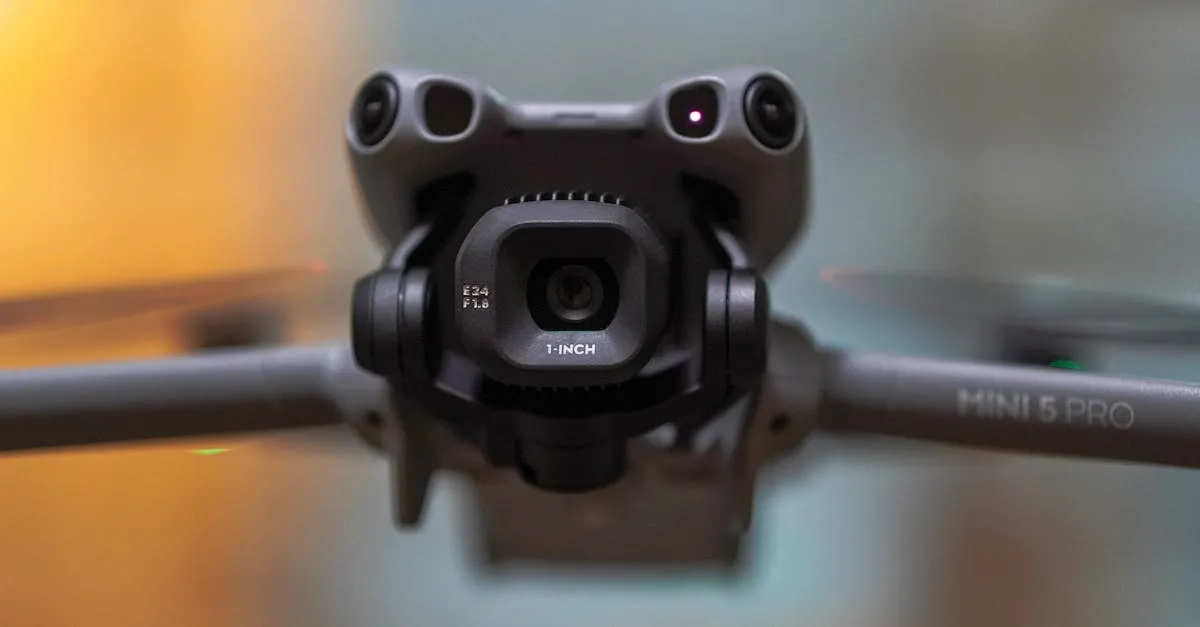
A roof inspection lives or dies on image quality. Your photos need to be sharp, well-exposed, and comprehensive enough that the client can evaluate the roof without being on site. Here is exactly what to capture and how to set up your camera.
Essential Camera Settings
Resolution: Maximum available. Clients zoom into images to examine individual shingles. Anything below 12 megapixels gets blurry fast when zoomed.
ISO: 100-200. Higher ISO introduces noise that obscures fine details like hairline cracks in shingles or granule loss.
Shutter speed: 1/500 second minimum. Your drone is moving, even in a hover, and micro-vibrations blur images at slower shutter speeds.
White balance: Set manually to match conditions (sunny, cloudy, shade). Auto white balance shifts as you fly over different colored surfaces.
Format: RAW+JPEG if your drone supports it. JPEG for quick delivery, RAW for recovering detail in tricky exposures.
Shoot in burst mode (3-5 frames) for each position. This gives you multiple shots to choose from and increases the odds of getting a perfectly sharp frame. Memory is cheap. Re-flights are not.
The Mandatory Shot List
Do not leave the site until you have captured every item on this list:
Overall condition:
- Complete roof overview from directly above
- All four compass-direction views from 45-degree angle
- Full property context shot showing the roof in relation to the house
Roof features:
- Each roof slope/elevation individually
- All valleys (where two roof planes meet)
- Ridge caps along the top
- Hip edges (angled edges where slopes meet)
Penetrations and details:
- Chimney and chimney flashing
- Plumbing vent pipes and flashing boots
- Exhaust vents (kitchen, bathroom, attic)
- Skylights and their surrounding flashing
- Satellite dishes or other rooftop equipment
- Solar panels if present
Damage and concerns:
- Any missing, cracked, or curling shingles
- Dark spots or discoloration
- Moss, algae, or vegetation growth
- Damaged or missing flashing
- Sagging areas
- Debris accumulation
- Gutter condition and drainage
What Makes a Good Inspection Image
A useful inspection image has three qualities: it is sharp, well-lit, and shows context.
Sharp means the details are visible when zoomed. Well-lit means no harsh shadows hiding damage and no blown-out highlights losing detail. Context means the client can tell where on the roof the image was taken. Always include a landmark in the frame (a chimney, a valley, a corner) so the viewer can orient themselves.
Avoid shooting directly into the sun. Position yourself so the sun is behind or to the side of you. Early morning and late afternoon give the best light for roof work because the low-angle sun reveals texture and surface irregularities that flat midday light hides.
Image Count Expectations
A typical residential roof inspection produces 100-200 images. Do not delete anything on site. Cull and organize after you get home. Storage is cheap and you cannot re-shoot after you leave.