Pre-Flight Planning for Roof Inspections
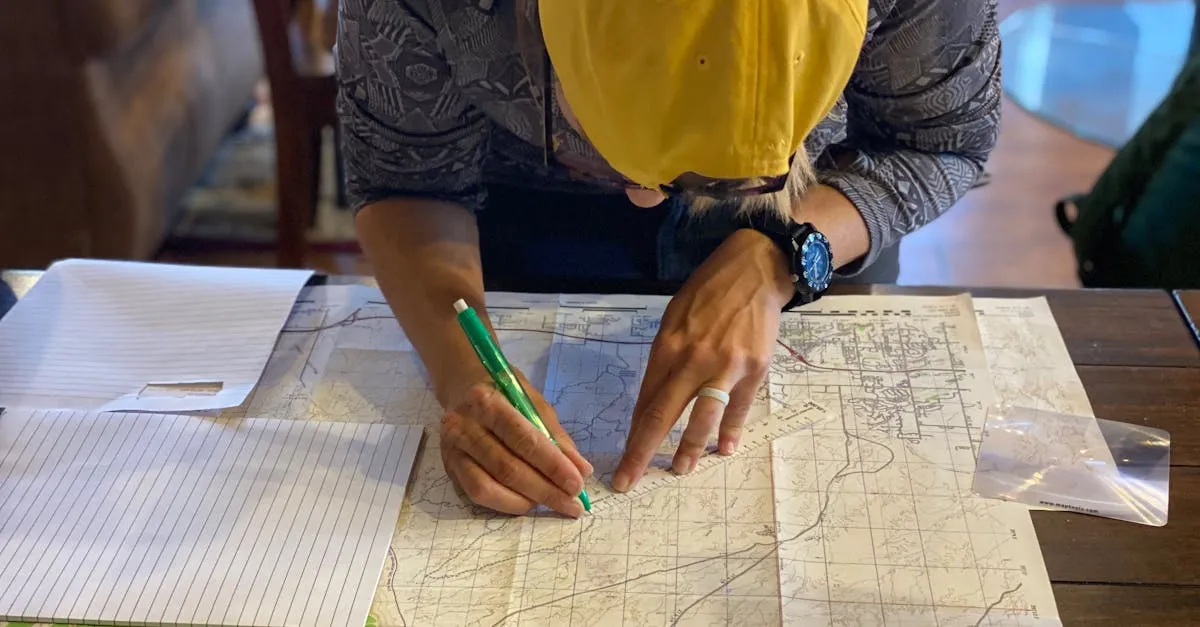
Showing up to a job without doing your homework is how you waste time and look unprofessional. Proper pre-flight planning takes ten minutes and makes everything that follows smoother.
Research the Property
Start with Google Maps or Google Earth. Look at the property from above. Identify the roof shape (gable, hip, flat, mansard), count the stories, and note any nearby obstacles like power lines, tall trees, or adjacent buildings taller than your planned flight altitude.
Check the roof pitch. A steep roof is harder to photograph clearly from directly above because the angle compresses the shingle detail. Plan to add more oblique-angle shots for steep slopes.
Look for chimneys, vents, skylights, solar panels, and dormers. These are all areas of interest that need dedicated close-up shots during the inspection.
Check Airspace
Open the Aloft app and type in the property address. Most residential neighborhoods sit in Class G airspace where you can fly without authorization. But homes near airports, military bases, or stadiums can fall into controlled airspace.
If the property sits in controlled airspace, use LAANC (Low Altitude Authorization and Notification Capability) through the same app to get instant authorization. This usually takes under 30 seconds.
Also check for active TFRs (Temporary Flight Restrictions) at faa.gov/tfr. These pop up for VIP visits, sporting events, wildfire operations, and other reasons that change daily.
Set your LAANC authorization for a wider time window than you think you need. If you book 30 minutes and run over, your authorization expires while the drone is in the air. Book 60-90 minutes to give yourself breathing room.
Weather Check
Ideal conditions for roof inspections: wind under 15 mph, clear or partly cloudy skies, temperature between 40 and 90 degrees Fahrenheit. Avoid flying in rain, snow, or heavy overcast because wet shingles change color and hide damage.
Check weather right before you leave and again when you arrive on site. Conditions change fast. The UAV Forecast app gives you a simple go/no-go recommendation based on current conditions.
Notify the Homeowner
Always let the homeowner know when you plan to arrive and approximately how long the inspection will take. Ask them to secure pets and keep children indoors during the flight. This is basic courtesy and liability protection.
If you are working in a neighborhood with close-set houses, consider knocking on adjacent doors to let neighbors know you will be flying a small camera drone near their property. This prevents panicked 911 calls.
Plan Your Flight Pattern
Before arriving, sketch a mental flight plan. Most residential roofs can be covered with a systematic grid pattern:
- Launch and climb to 50-60 feet above ground level
- Fly a grid over the entire roof at a consistent altitude
- Drop to 20-30 feet for detail shots of specific areas
- Capture oblique (angled) shots from all four compass directions
- Get close-ups of any visible damage, flashing, vents, or gutters
Having this pattern in your head before you arrive means less time standing around figuring out what to do next, and more consistent results for your client.