Site Assessment: What to Check Before Every Flight
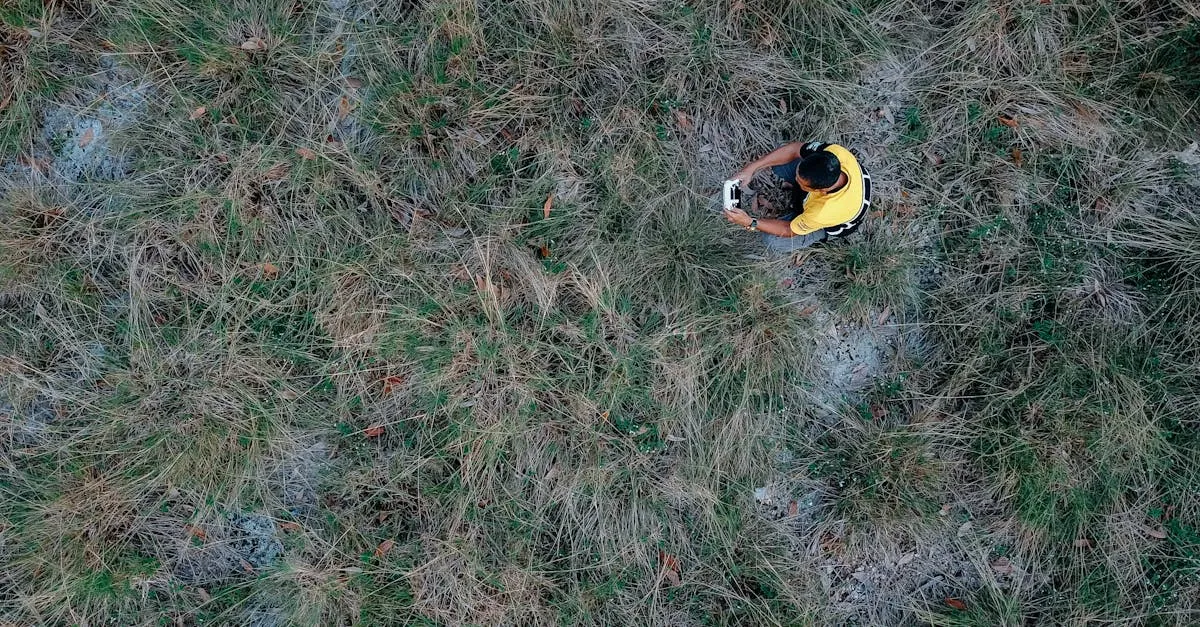
Maps and apps tell you what is in the air. A site assessment tells you what is on the ground. Both matter. Walking the area before you fly is the step that catches the hazards no satellite image can reveal.
Pre-Site Assessment (At Home)
Before you leave, research the location on Google Maps or Google Earth. Identify the general area, nearby roads, buildings, and any obvious obstacles. Check the airspace using the tools from the previous lesson.
Look for potential magnetic interference sources: power substations, large metal structures, cell towers, and buildings with heavy steel framing. These can disrupt your drone’s compass and cause erratic behavior.
On-Site Assessment (On Location)
Once you arrive, spend 5-10 minutes walking the area before unpacking your drone.
Look up: Check for power lines, wires, and cables. These are the most common drone killers because they are nearly invisible on a camera screen at distance.
Look around: Identify trees, buildings, light poles, antennas, and any structures that extend above your planned flight altitude.
Look down: Check your takeoff surface. You need a flat, clear area free of loose debris that your props could kick up into the camera or motors.
Look for people: Note where people are walking, sitting, or gathering. Avoid flying directly over anyone who is not part of your operation.
Pick your takeoff spot and then pick a backup landing zone. If your primary spot becomes compromised (a family walks into it, a dog runs over), you need somewhere else to bring the drone down safely.
Identify Interference Sources
Large metal objects near your takeoff point can cause compass interference. Reinforced concrete has rebar that affects calibration. Power lines generate electromagnetic fields. If your drone shows a compass error during preflight calibration, move 20-30 feet away and try again.
Document What You Find
Take a quick phone photo of the site from your takeoff position. Note any obstacles and their approximate heights. This becomes part of your flight log and proves you conducted a proper site assessment if anyone questions your operation later.
Wildlife and Animals
Birds of prey sometimes attack drones. If you notice hawks, eagles, or large birds in the area, be prepared to land quickly. Dogs frequently run toward drones during takeoff and landing. Scan for animals before every launch and recovery.