Emergency Planning: Expecting the Unexpected
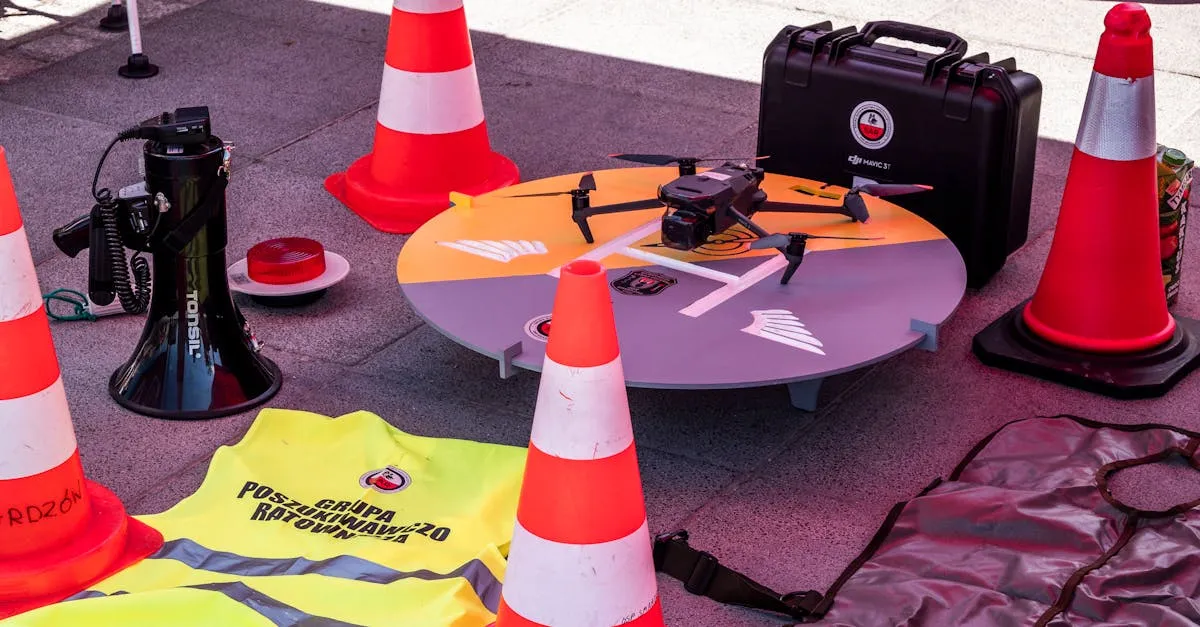
Things go wrong. Batteries die faster than expected. GPS signals drop. Birds attack. Wind gusts push your drone toward obstacles. The pilots who handle emergencies well are the ones who planned for them before launching.
Return-to-Home Settings
Before every flight, set your RTH (Return-to-Home) altitude above the tallest obstacle in your operating area. If you are flying near a 60-foot tree, set RTH to 80 feet. This ensures the drone clears obstacles on its automated return path.
Verify the RTH point is set to your takeoff location. Some drones update the RTH point to the controller’s current location, which can cause the drone to fly toward you instead of the launch pad if you moved during the flight.
Signal Loss Protocol
If you lose video or control signal:
- Do not panic. Modern drones are programmed to return home automatically when signal is lost.
- Stay put and wait. The drone is likely already flying back to you.
- Watch the sky. Look for the drone approaching from the direction you last saw it.
- If it does not return within 3-5 minutes, move to your last known position and try to regain signal.
Test your RTH function in a safe, open area before relying on it during a real job. Some drones default to hovering in place rather than returning home when signal is lost. Know what yours does.
Low Battery Emergency
Drones give battery warnings at 30% and critical warnings at 15-20%. Do not wait for the critical warning. Start heading back at 30%. If you hit critical, land immediately wherever you are. A drone in a tree is better than a drone dropped from 300 feet onto a car.
Flyaway Protocol
A flyaway is every pilot’s worst nightmare. The drone stops responding to inputs and flies away on its own. This is usually caused by compass failure or GPS glitch.
If a flyaway happens:
- Try switching to ATTI/manual mode if your drone supports it
- Attempt to fly back manually using visual reference
- If unresponsive, note the last known direction and altitude
- Attempt to locate the drone after it likely auto-lands when battery dies
When to Abort
Abort the flight if: wind exceeds your limits, you spot manned aircraft in the area, people enter your operating zone, your drone shows error messages, or you lose visual contact. Landing early is always the right call. No footage or inspection is worth risking safety.