On-Site Assessment and Crew Briefing
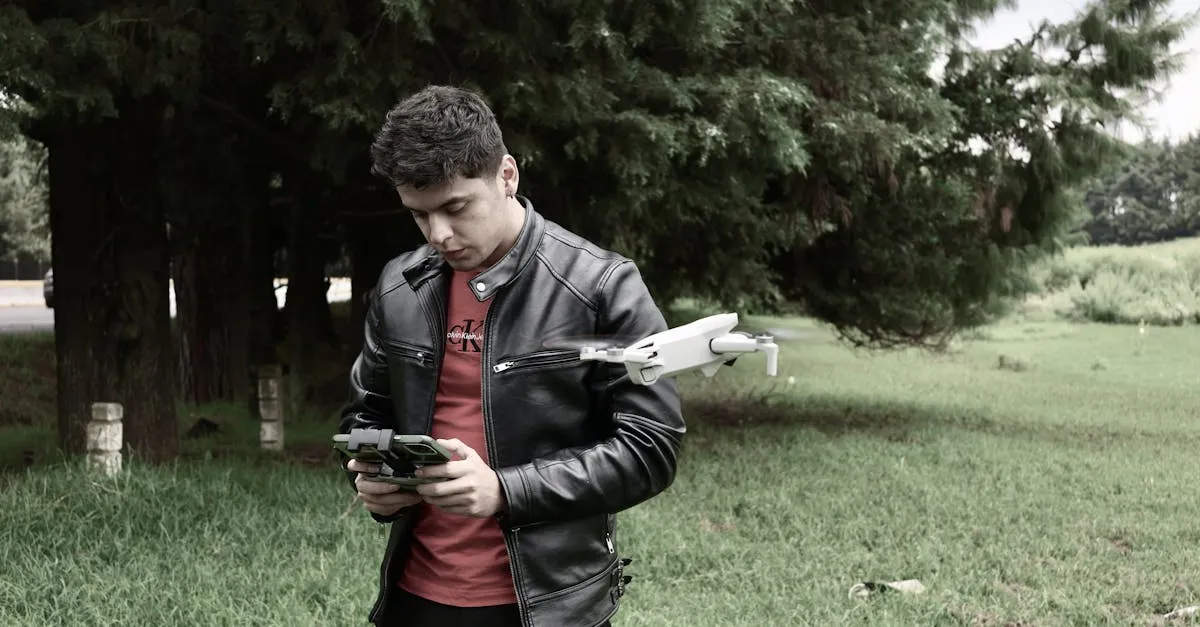
If you are flying with a visual observer, a client watching, or a small crew, everyone needs to know the plan before you launch. A quick two-minute briefing prevents confusion and keeps everyone safe.
The Crew Briefing
Cover these points before starting motors:
Flight plan: What you are doing, where the drone will fly, and approximately how long. “I am flying a grid pattern over the roof at 50 feet for about 10 minutes.”
Communication: How you will communicate. “If you see a hazard, say ‘STOP’ loudly. I will land immediately.”
Emergency procedures: What happens if something goes wrong. “If I lose signal, the drone returns here automatically. Stay clear of this landing zone.”
No-fly zones: Areas the drone will not go. “I am not flying over the neighbor’s yard or near those power lines.”
Who does what: If you have a visual observer, their job is keeping eyes on the drone while you watch the screen. Make this clear so nobody is duplicating effort or missing coverage.
Even if you are flying alone, brief yourself. Walk through the plan mentally: launch, fly the pattern, watch battery level, return and land. Rehearsing the sequence in your head catches problems before they happen.
Managing Bystanders
People are naturally curious about drones. Kids, dogs, and curious adults will drift toward your takeoff zone. Set clear boundaries before you launch.
If you are flying commercially, consider wearing a high-visibility vest and placing an orange cone near your takeoff spot. This signals “official business” and keeps people at a respectful distance.
If someone approaches during flight, do not take your eyes off the screen to talk to them. Land the drone first, then have the conversation.
Client Management
Clients love watching drone flights. They also love asking questions during critical moments. Set expectations before you launch: “I need to focus on flying for the next 10 minutes. I will show you the results as soon as I land.”
This is not rude. It is professional. Your full attention should be on the aircraft while it is in the air.