Post-Flight Procedures
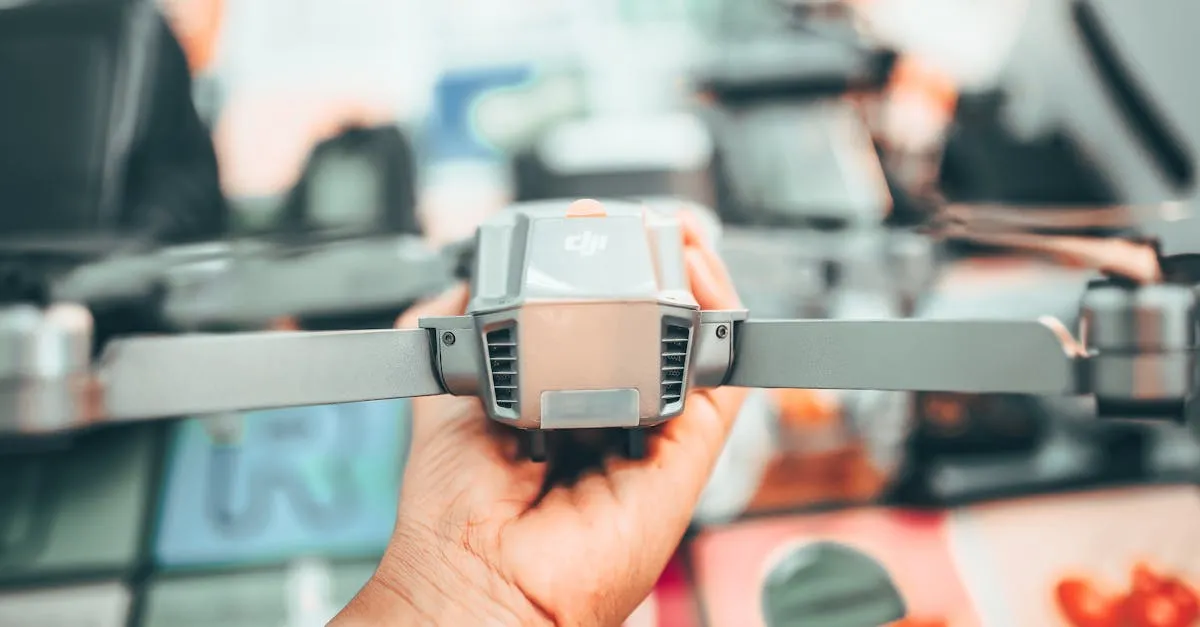
The flight is over, but your responsibilities are not. Post-flight procedures protect your equipment investment, satisfy regulatory requirements, and prepare you for the next mission.
Immediate Post-Flight Inspection
As soon as you land and power down, inspect the drone:
- Airframe: Check for cracks, loose screws, bent arms, or any new damage
- Props: Look for chips, cracks, or leading-edge wear
- Motors: Spin each motor by hand and feel for grinding or stiffness
- Gimbal: Verify it moves freely and the camera is undamaged
- Lens: Check for smudges, scratches, or debris
Log any damage or issues in your flight log. Even minor damage should be addressed before the next flight.
If you notice motor grinding or unusual vibrations during flight, ground the drone until you diagnose the problem. Flying with a failing motor can cause complete loss of control.
Data Management
Download your footage immediately. Do not leave images on the SD card until next week. Cards get lost, corrupted, or accidentally formatted. Transfer files to your computer and verify they opened correctly before clearing the card.
Organize files by date and location. A simple folder structure like 2026-05-04_RoofInspection_123MainSt/ keeps everything findable months later.
Battery Care
After flying, batteries are warm. Let them cool to room temperature before charging. Charging warm batteries reduces their lifespan and can cause swelling.
For storage between flights, discharge batteries to 40-60%. Storing at full charge degrades capacity over time. Most modern drones have auto-discharge features that bring batteries to storage level after a few days.
Flight Logging
Part 107 does not mandate flight logs, but maintaining them is smart practice. Log each flight with:
- Date and time
- Location (address or coordinates)
- Flight duration
- Maximum altitude
- Weather conditions
- Any incidents or anomalies
Flight logs document your experience, support insurance claims, and provide evidence of responsible operation if the FAA ever investigates an incident.
Equipment Maintenance Schedule
Create a simple maintenance calendar:
- Every flight: Visual inspection, prop check, lens clean
- Every 10 flights: Deep clean motors, check arm locks, firmware check
- Every 50 flights: Prop replacement (even if they look fine), battery health check
- Every 100 flights: Full calibration, comprehensive inspection
Preventive maintenance catches problems before they cause failures.